VADEN Originalairbrakecompressor.com
VADEN Original · Technical library

Air brake compressors, properly explained.

Straight-talking guides for truck owner-operators, fleet technicians and parts buyers — how the air supply works, how to diagnose faults, and when to replace.

1,000,000+Compressors produced
192In-depth guides
OE-gradeManufacturer-reviewed
VADEN Original — manufacturer resourceOver 1M compressors builtTrucks · Buses · TrailersReviewed for technical accuracy
Start here

Start here

The big picture, from the ground up.
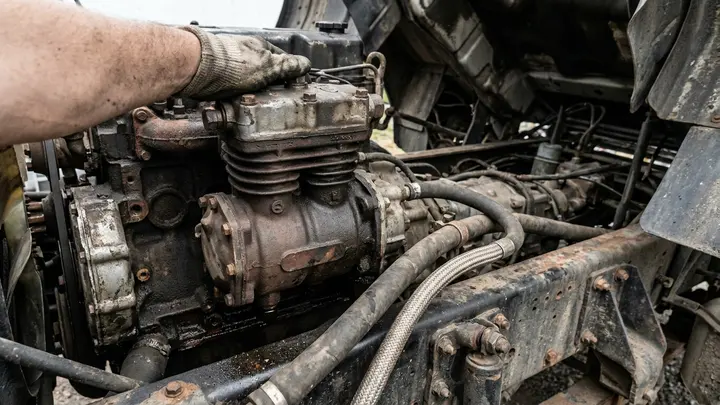
Air Brake Compressor: The Complete Guide

The engine-driven pump that supplies the compressed air every heavy-vehicle brake depends on — how it works, why it fails, and what to know before you replace one.
Read guide

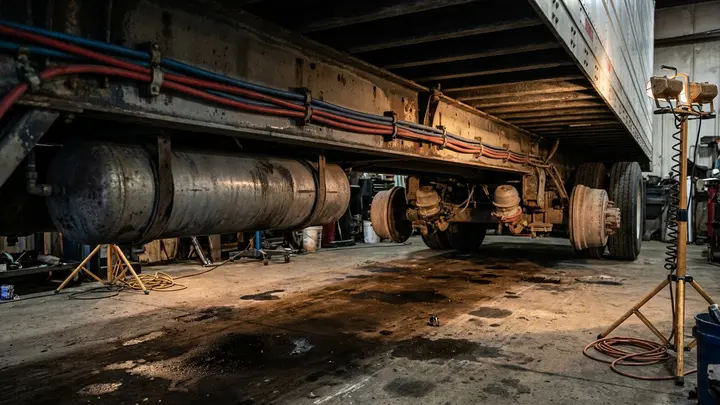
How Air Brake Systems Work: A Complete Truck & Trailer Guide

A plain-English walkthrough of the full air brake system — from the engine-driven compressor to the S-cam at the wheel — and why compressed air makes heavy-vehicle braking fail-safe.
Read guide

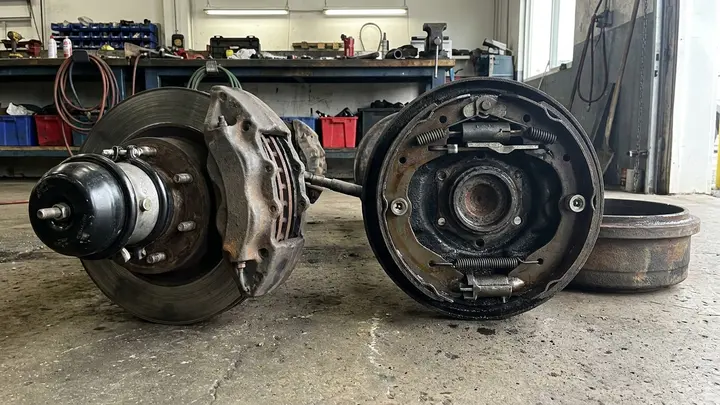
Air Disc vs Drum Brakes: Which Wins on a Commercial Truck?

A technician's side-by-side on stopping power, fade resistance, service time, and cost — and where each foundation brake still earns its keep.
Read guide

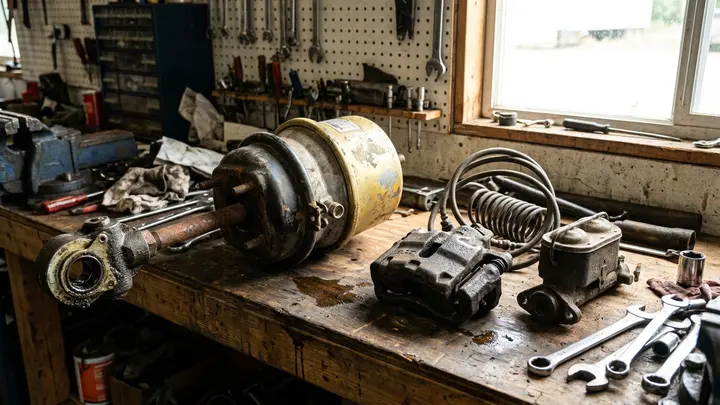
Jake Brake vs Exhaust Brake vs Retarder: How Each Slows the Truck

A plain-English comparison of the three auxiliary braking systems that spare your service brakes on long grades.
Read guide

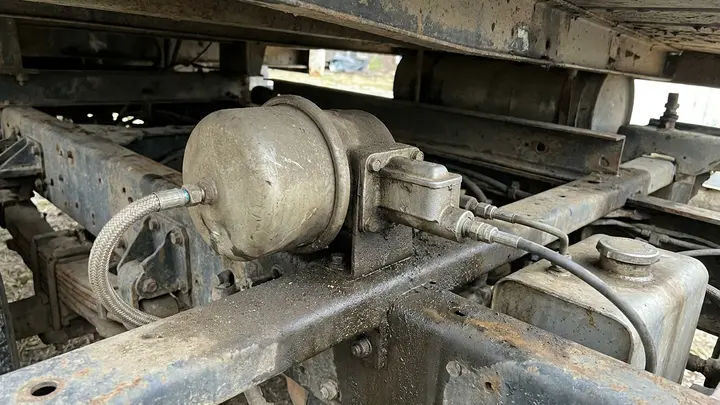
Air Brakes vs Hydraulic Brakes: What's the Difference?

Air brakes use compressed air and fail-safe spring chambers, while hydraulic brakes use incompressible fluid. The reason heavy trucks run air and cars run hydraulics comes down to force, redundancy, and what happens when something leaks.
Read guide

Air-Over-Hydraulic Brakes: How Air-Assisted Hydraulic Systems Work

A practical technician's guide to air-over-hydraulic (air-assisted) brakes, the hybrid setup that uses compressed air to power a hydraulic wheel-brake circuit.

Read guide

Air Brakes in Cold Weather: Freezing Risks and Winter Prep

Cold weather doesn't weaken air brakes directly, but the moisture inside your system freezes, jamming valves and locking lines when temperatures drop below freezing.

Read guide

Air Brake Stopping Distance: Why Trucks Need So Much Room

Air brakes add a fourth ingredient to stopping distance - brake lag - and at highway speed that delay alone eats about 32 ft of pavement before the shoes even touch the drums.

Read guide

Wet Tank vs Dry Tank: How Air Brake Reservoirs Are Arranged

The first reservoir after the compressor is a contamination trap by design — here is why it matters more than the tanks that feed your brakes.

Read guide

Air Brake Warning Devices: Low-Pressure Light, Buzzer, Wig-Wag and Gauges

The devices that tell a driver the air system is failing — what the rules require, at what pressure they must activate, and how to test them.

Read guide

Air Brake Terminology Glossary

A working technician's glossary of the air brake terms you actually hear in the shop, on a roadside inspection, and in a service manual.

Read guide

The History of Air Brakes: From Westinghouse to the Modern Truck

Compressed air beat every other heavy-vehicle braking method for one reason: Westinghouse made it fail toward stopping, not toward rolling.

Read guide

How Much Air Does a Truck Use When Braking?

A practical look at air consumption per brake application, how reservoir sizing gives you repeated stops, and how much supply the compressor actually has to deliver.

Read guide

Manual vs Automatic Slack Adjuster: What Changed and Why It Matters

Both types turn brake chamber push rod travel into S-cam rotation, but only one keeps lining clearance in spec on its own — and that difference is written into federal rules.

Read guide

Bendix vs Wabco Air Compressor: What Actually Differs

A technician's comparison of Bendix Tu-Flo and Wabco/ZF air brake compressors — mounting, drive, cooling, unloading and output — plus a practical way to cross-reference either one to the correct replacement.

Read guide

Air Compressor Repair Kit vs New Compressor: What Each Really Costs

A parts-and-labor comparison of rebuilding an air brake compressor versus replacing it, and the failure modes that make the choice for you.

Read guide

Standard vs Long-Stroke Brake Chamber: How to Tell Them Apart

The type number tells you the force a chamber makes; the stroke rating tells you how much adjustment margin you have before the brake goes out of adjustment.

Read guide

Relay Valve vs Quick Release Valve: What Each One Actually Does

Both valves shorten the air path to the brake chambers, but only one of them carries its own reservoir supply — and that difference decides what breaks and how it feels from the driver's seat.

Read guide

Railway Air Brakes vs Truck Air Brakes

Both systems are pneumatic and both stop the vehicle when air is lost, but a train applies its brakes when pressure falls while a truck applies them when pressure rises and relies on spring brakes as its fail-safe.

Read guide

Pancake vs Piggyback Brake Chamber: What's the Difference?

Both bolt to the same brackets and push the same slack adjuster, but only one of them holds the vehicle when the air is gone.

Read guide
Troubleshooting

Troubleshooting

Diagnose the fault before you spend a dollar.

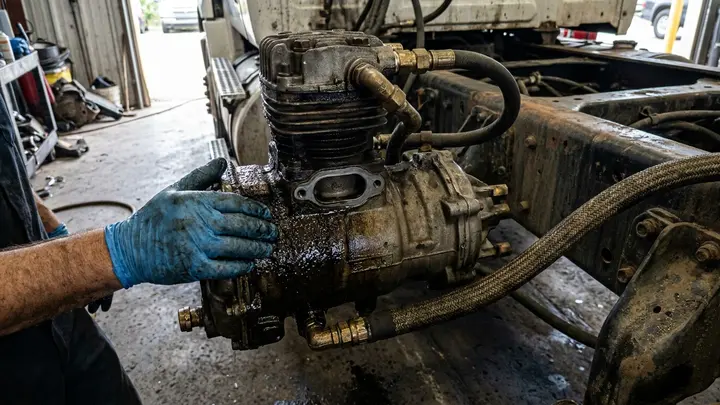
Air Brake Compressor Not Building Pressure: Causes and Fixes

A step-by-step troubleshooting guide for slow air buildup or no pressure on a truck, bus, or trailer air brake system.
Read guide

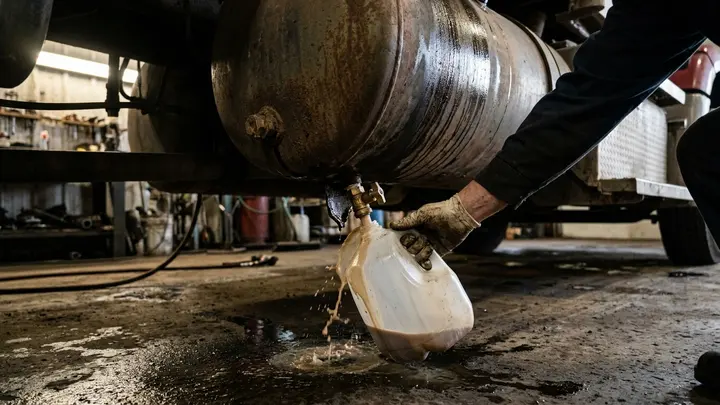
7 Symptoms of a Failing Air Brake Compressor

The clearest signs a truck air brake compressor is wearing out — from slow air buildup to oil in the lines — and what each symptom is actually telling you.
Read guide

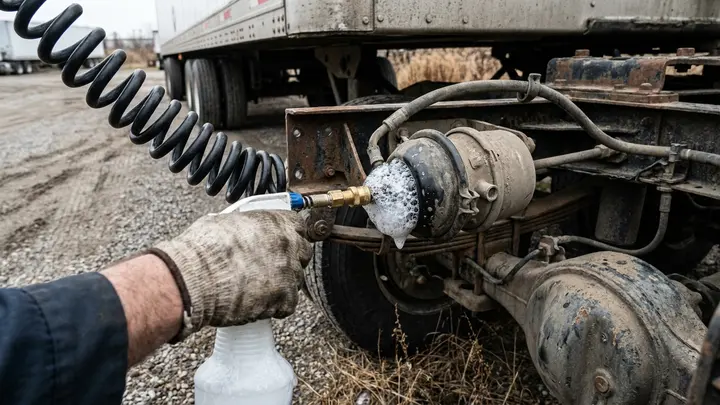
Air Brake Compressor Pumping Oil: Causes, Damage, and Fixes

An air brake compressor pumps oil into the system when worn rings, overheating, or a restricted discharge line let engine oil carry past the pistons — and left unfixed it destroys the air dryer and gums up downstream valves.
Read guide

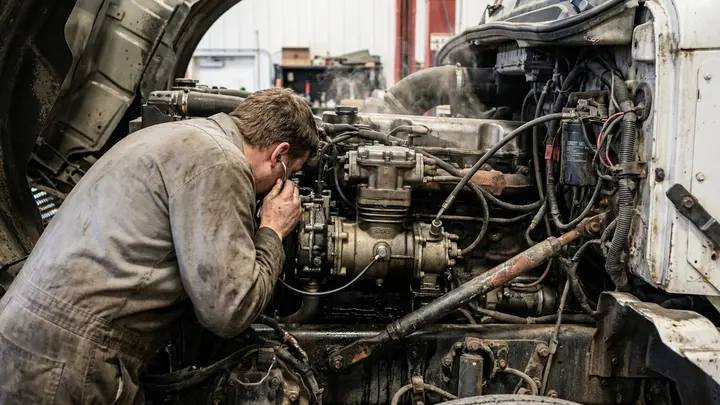
Why Your Air Brake System Is Losing Pressure

A practical guide to diagnosing air loss on trucks and trailers — applied vs. static leak-down, legal leakage limits, and how to pinpoint the leak.
Read guide

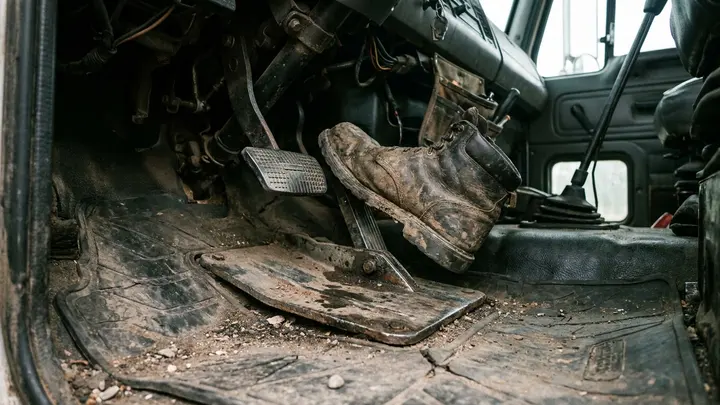
Air Brake Compressor Knocking Noise: Causes and Diagnosis

A knock or rattle from your truck's air compressor usually means worn internal parts or a loose mount — here's how to tell which, and when to replace it.
Read guide

Air Sound When Pressing the Brake Pedal on a Truck

A short hiss when you apply or release a truck's air brakes is normal — but a continuous hiss or one that drops your air gauge means a leak.

Read guide

Why a Truck Shakes When Braking

Vibration or shudder when you hit the brakes on a heavy truck almost always traces back to out-of-round drums, uneven lining contact, or worn steering and suspension components.

Read guide

Why Your Truck Pulls to One Side When Braking

A truck that pulls left or right under braking almost always has an imbalance between the two sides of an axle, and the cause is usually mechanical, not the compressor.

Read guide

Air Brakes Not Releasing: Diagnosing Dragging Brakes on Trucks and Trailers

When air brakes stay applied after you lift off the pedal, the cause is almost always trapped air, a mechanical bind, or ice — and each leaves its own fingerprint.

Read guide

Air Brake Overheating and Brake Fade: Causes, Warning Signs, and Prevention

Brake fade on a truck is a heat failure, not an air failure. Here is what cooks the drums, how to tell fade from a genuine air fault, and why the engine brake is the real fix.

Read guide

Frozen Air Brakes in Winter: Causes, Air Brake Antifreeze, and Prevention

Air brakes freeze because water vapor pumped in by the compressor condenses and freezes in valves and lines — the fix is drying the air, not pouring alcohol into the system.

Read guide

Water in Air Brake Tanks: Why It's There and How to Get Rid of It

Every air brake system makes water — the question is whether yours is getting rid of it before it eats your valves.

Read guide

Spring Brake Won't Release: Causes, Diagnosis, and Safe Fixes

A spring brake that won't release is almost always a delivery problem — the parking chamber isn't getting the air it needs to compress its power spring.

Read guide

"Service Trailer Brake System" Warning: Causes and What to Check

A "service trailer brake system" message almost always means the tractor's electronic braking system has lost communication with, or detected a fault in, the trailer's ABS/EBS — usually a wiring, connector, or module problem rather than a mechanical brake failure.

Read guide

Air Brakes Slow to Release: Causes, Diagnosis and Fixes

A technician's guide to finding why the brakes hang on after you lift off the pedal, and whether the valve, the line or the foundation brake is at fault.

Read guide

Low Air Warning Won't Turn Off: Causes and How to Diagnose It

A low-air warning that stays lit is either a genuine pressure problem or a failed switch — here is how to tell them apart in a few minutes.

Read guide

Air Compressor Runs Constantly: Why It Never Unloads

A truck air compressor that never unloads is almost always a leak, a leaking air dryer purge valve, or a governor and unloader that never command it to stop.

Read guide

Trailer Brakes Not Working: Step-by-Step Diagnosis

When a trailer refuses to brake, the fault is almost always air delivery, the control signal, or the relay valve that turns that signal into chamber pressure.

Read guide

Truck Brakes Grabbing, Chattering or Pulsing: Causes and Fixes

A technician's walkthrough of why air brakes grab, chatter or pulse — and how to tell contaminated lining from a warped drum before you pull a wheel.

Read guide

Air Brake Compressor Overheating: Causes, Damage and Fixes

A compressor that runs too hot is telling you it is either working too hard or not being cooled properly, and ignoring it leads straight to carbon and oil carryover.

Read guide

Air Dryer Leaking or Purging Constantly: Causes and Diagnosis

One short blast at governor cut-out is normal. A dryer that hisses continuously or purges every few seconds has a leaking purge valve, an unloader signal that will not exhaust, or a saturated cartridge.

Read guide

ABS Warning Light on a Truck or Trailer: Causes and Diagnosis

What the ABS warning lamp on a tractor or trailer is telling you, the faults that trigger it most often, and how to diagnose it without throwing parts at the problem.

Read guide

Air Brake Lag: Why Your Brakes Feel Slow to Respond

Some delay between pedal and brake is normal on an air system. Here is roughly how much, what makes it worse, and how relay valves, line length and pushrod stroke control your stopping response.

Read guide

Air Brakes Locking Up: Causes, Diagnosis and Fixes

Why truck and trailer air brakes lock up or refuse to release, and how to find the cause without guessing at parts.

Read guide

Truck Won't Build Air Past a Certain PSI: Diagnosis and Fixes

A truck that climbs to a certain pressure and then flatlines is telling you something specific. Here is how to read the plateau and find the cause.

Read guide

Air Brake Buzzer at Startup: Normal or a Warning?

The low-air alarm at key-on is a normal daily self-test. Here is how fast it should stop, and what it means when it doesn't.

Read guide

Brake Chamber Leaking Air: Causes, Diagnosis and Repair

A hissing brake chamber means the pressure boundary has failed. Here is how to pinpoint the leak, what causes it, and when the chamber must be replaced rather than repaired.

Read guide

Air Pressure Gauge Not Reading Correctly on a Truck

How to tell whether a wrong or stuck dash gauge is the instrument lying to you or a real air system problem — and what to check first.

Read guide

How to Find an Air Brake Leak Fast

A repeatable field method for locating air brake leaks in minutes: measure the leak-down rate first, isolate which circuit is losing air, then confirm the exact fitting with soapy water and a quiet ear.

Read guide

Air Brake Compressor Pumping Oil: Causes, Symptoms, and Fixes

When your air brake compressor passes oil downstream, it fouls the air dryer and tanks — here is what causes it and how to decide between a repair kit and a new unit.

Read guide

Air Governor Not Cutting Out: Why the Compressor Keeps Building Pressure

A step-by-step way to tell whether a no-cut-out condition is the governor, the signal line, or the compressor's own unloader mechanism.

Read guide

Carbon Buildup in the Air Brake Compressor Discharge Line

Coked oil in the line between the compressor and the air dryer is one of the most common reasons a truck builds air slowly and eats compressors — and it is usually a symptom of something else.

Read guide

Air Compressor Knocking Noise on a Truck: Causes, Checks and What to Do

How to tell a normal load-cycle sound from a genuine mechanical knock in an air brake compressor, what causes it, and whether the unit is worth rebuilding.

Read guide

Why Truck Air Brakes Apply on Their Own

A practical breakdown of why air brakes apply, grab, or drag without driver input — and how to isolate the circuit safely before the truck moves again.

Read guide

Squealing Brakes on a Semi Truck: Causes, Diagnosis and Fixes

A technician's walkthrough of why heavy-truck air brakes squeal, which noises are harmless, and what actually stops the squeal for good.

Read guide

Why Air Pressure Drops Overnight When a Truck Is Parked

Every air brake system bleeds down eventually — this is how to tell a normal overnight drop from a leak that will fail an inspection, and how to trace it.

Read guide

Symptoms of a Bad Air Brake Relay Valve

Slow release, a hissing exhaust port and one axle dragging are the classic signs — and a few minutes with soap and a gauge tells you whether the valve or the plumbing is at fault.

Read guide
Components explained

Components explained

How each part of the air supply does its job.
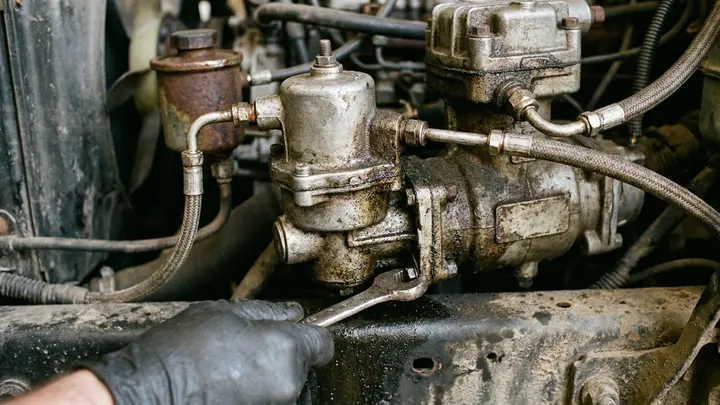
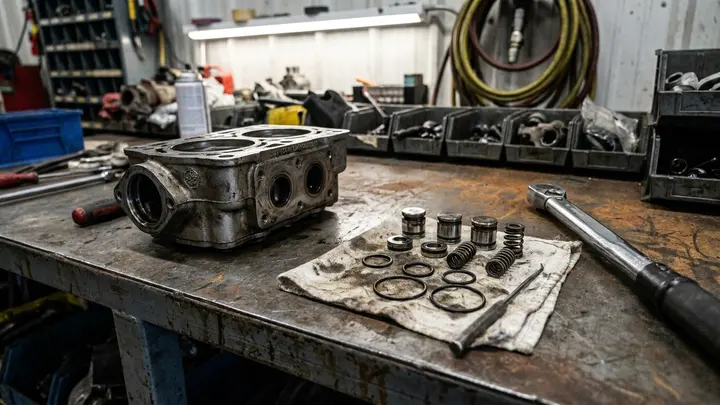
Air Brake Governor: How It Controls Compressor Cut-In and Cut-Out

The governor is the pressure switch that tells your air compressor when to pump and when to rest, holding the system in its normal operating band.
Read guide

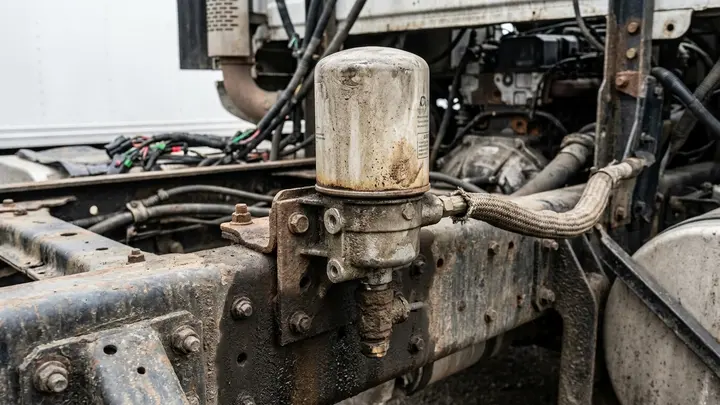
The Air Compressor Unloader Valve Explained

The unloader mechanism is how a constantly-spinning air compressor stops pumping once the system is charged, sparing the pump from overheating and oil carryover.
Read guide

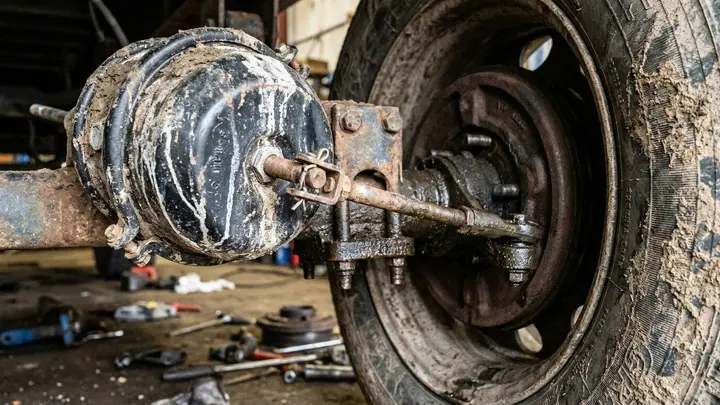
The Truck Air Dryer: Function, Purge Cycle, and Replacement

A plain-English guide to what the air dryer does on a truck, how it purges moisture and oil, and when to swap the desiccant cartridge before it costs you brakes.
Read guide

Brake Chamber: How It Works, Types, and When to Replace It

A brake chamber is the air-actuated device on each wheel that turns compressed air pressure into the mechanical push that applies a truck's foundation brakes.
Read guide

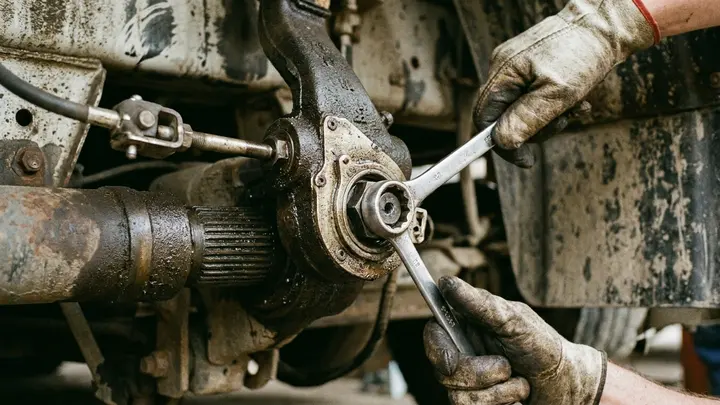
Slack Adjuster: What It Does and How to Keep Pushrod Stroke in Spec

The slack adjuster is the adjustable lever arm that turns brake-chamber air pressure into braking torque at the S-cam, and it also sets the critical pushrod stroke that determines whether your brakes are legal and safe.

Read guide

Tractor Protection Valve: What It Does and How to Test It

The tractor protection valve automatically seals the tractor's air supply if the trailer breaks away or a gladhand hose ruptures, keeping enough air on board to stop the truck.

Read guide

Spring Brake: How Truck Parking and Emergency Brakes Work

The spring brake is a heavy coil spring held compressed by air pressure — when air is lost, the spring applies the brakes mechanically, making it both your parking brake and a fail-safe emergency brake.

Read guide

Air Tanks and Reservoirs in a Truck Air Brake System

Air brake reservoirs store the compressed air that applies your brakes, split into supply, primary, and secondary tanks so a single leak can't leave you without brakes.

Read guide

Truck Brake Drums: Wear, Cracks, and When to Replace

Truck brake drums wear from the inside out, and once they hit the cast-in maximum diameter or show heat cracks all the way through, they're scrap — no exceptions.

Read guide

Gladhands and Air Lines: Connecting the Tractor to the Trailer

Gladhands are the coupling fittings that join a tractor's two air lines to the trailer, feeding compressed air to the trailer's brakes and reservoir.

Read guide

Quick Release Valve: What It Does and When to Replace It

The quick-release valve speeds up brake release by venting air locally at the front axle instead of forcing it back through the treadle valve.

Read guide

Air Brake Relay Valve: What It Does, Failure Symptoms, and Replacement

The relay valve is a remote-controlled air valve that speeds up brake application and release on the rear axles and trailer by feeding them air from a nearby tank instead of routing it all the way from the foot valve.

Read guide

S-Cam Foundation Brakes: How the Drum Brake Works

The S-cam is the S-shaped shaft that spreads the brake shoes against the drum, and it is the heart of the most common foundation brake on North American trucks and trailers.

Read guide

Truck Brake Shoes and Linings: Wear, Grades, and Replacement

A technician's guide to how heavy-truck brake shoes and friction linings wear, the legal and practical limits, and how to decide between relining and installing new shoes.

Read guide

What Is a Jake Brake? How the Engine Compression Brake Works

A plain-language technician's guide to the engine compression brake, why it makes that distinctive loud bark, and how it differs from your air-actuated service brakes.

Read guide

Foot Brake Valve (Treadle Valve): How It Meters Air to the Brakes

The foot brake valve is the driver-operated valve that meters air pressure from the reservoirs to the service brakes in proportion to how hard you press the pedal.

Read guide

ABS on Air Brakes: How Anti-Lock Works on Trucks

A technician's guide to how anti-lock braking is layered onto a truck's pneumatic air brake system, and what fails.

Read guide

EBS Brake System: Electronic Braking Explained

EBS adds electronic control on top of the air brake system, giving faster brake response, automatic brake balancing, and onboard fault diagnostics.

Read guide

"Service Trailer Brake System" Warning: What It Means and What to Check

A "service trailer brake system" message means the towing vehicle can no longer reliably talk to or power the trailer's brakes, and it needs attention before you drive.

Read guide

Exhaust Brake: How It Works, vs. Jake Brake, and Its Benefits

An exhaust brake is an engine-assist retarder that restricts exhaust flow to build backpressure, slowing the truck without touching the service brakes.

Read guide

Multi-Circuit Protection Valve: How It Splits and Protects Truck Air Brake Circuits

The multi-circuit protection valve divides one compressor supply into several independent, individually protected air circuits so a leak in one system cannot empty the rest of the truck.

Read guide

Air Brake Check Valve: What It Does, Where It Is, and How It Fails

The one-way valves that keep each air tank holding its own pressure, and what happens on the truck when one stops sealing.

Read guide

Leveling Valve: How Air Suspension Height Control Works

The leveling valve is the control element of an air suspension: it adds or exhausts air from the air springs to hold a fixed ride height regardless of load.

Read guide

Load Sensing Valve (ALB): Scaling Brake Force to Axle Load

The ALB valve reads how heavily an axle is loaded and trims brake delivery pressure to match, so an empty trailer stops straight instead of skidding on locked wheels.

Read guide

Trailer Control Valve (Hand Valve): What It Does and How to Use It

The dash-mounted trailer hand valve applies the trailer service brakes only: a useful test tool, a poor way to slow a rig, and never a parking brake.

Read guide

Pressure Protection Valve: How It Protects Your Air Brake Circuits

A pressure protection valve isolates accessory and auxiliary air circuits from the brake supply, so a leak downstream cannot bleed the whole system below safe operating pressure.

Read guide

Dash Air Brake Valves: The Yellow and Red Knobs Explained

A technician's guide to the two push-pull control valves on every air brake dash, what each one commands, and what a pop-out is telling you.

Read guide

Air Brake Hoses and Fittings: Types, Sizes, Routing and Leak Repair

What air brake hoses, nylon tubing and fittings are rated for, how to size and route them, and where they leak.

Read guide

Anti-Compounding Valve: Stopping Service and Spring Brake Force From Stacking

The small double check valve that keeps a parked truck's spring brakes and a full pedal application from tearing up slack adjusters and S-cams.

Read guide

Inversion Valve: How the Emergency Relay Valve Applies Your Brakes

How the reverse-acting inversion valve — and its trailer cousin, the relay emergency valve — automatically applies the brakes with stored reservoir air when the service or supply circuit fails.

Read guide

Transmission and Driveline Retarders Explained

How hydraulic transmission retarders and eddy-current driveline retarders slow a loaded truck without touching the service brakes, and where they fit next to engine and exhaust brakes.

Read guide

How to Use a Jake Brake Safely

A practical guide to engaging, staging, and shutting off a compression engine brake so it controls your speed on grades without upsetting traction or waking an entire town.

Read guide

Semi-Trailer Air Brake System Explained

A working technician's walkthrough of how compressed air travels from the tractor to the trailer wheel ends, and what protects you when a line lets go.

Read guide

Bus and Coach Air Brakes: How They Differ From Truck Systems

Buses and coaches run the same core pneumatic hardware as trucks, but disc brakes, retarders, door interlocks and a punishing duty cycle change how the system is built, serviced and inspected.

Read guide

RV and Motorhome Air Brakes: What Owners Need to Know

A practical guide to air brakes on Class A motorhomes and bus conversions: which coaches have them, how air-over-hydraulic differs, and the storage-related failures owners hit most.

Read guide

Dump Truck Air Brakes: Vocational Duty Cycle, Lift Axles and PTO Air Demand

A dump truck runs the same air brake components as a highway tractor, but the vocational duty cycle, extra lift axles and air-driven body controls push every one of them harder.

Read guide

Trailer ABS: How the System Works and How to Diagnose a Fault

A technician's walkthrough of trailer ABS hardware, the power line that feeds it, the lamps that report on it, and the order to troubleshoot it in.

Read guide

Air Brake Fittings and DOT Nylon Tubing: A Technician's Guide

How to pick, cut and assemble DOT air brake fittings and nylon tubing so the line seals the first time and stays sealed.

Read guide

30/30 Brake Chamber Explained: Sizes, Stroke and How to Order

A 30/30 brake chamber combines a 30 square inch service section with a 30 square inch spring brake section in one bolt-on unit — here is what that means, where it fits, and how to spec one correctly.

Read guide

Brake Chamber Diagram: Every Part Labelled and Explained

A part-by-part walkthrough of what is inside a service chamber and a spring brake chamber, what each piece does, and how it fails on the road.

Read guide

Brake Chamber Clevis and Pushrod: Length, Angle, and Wear

The clevis and pushrod are the mechanical link between air pressure and braking torque, and a worn pin or wrong pushrod length quietly steals stroke long before anything looks broken.

Read guide

Trailer Brake Chamber: Sizing, Spring Brakes and Failures

What a trailer brake chamber does, how size and stroke are chosen, why every trailer runs spring brakes, and the corrosion failures that take them out.

Read guide

Bendix Slack Adjuster: Identification, Splines, Installation Angle and Lubrication

A technician's reference for identifying, fitting and maintaining Bendix automatic slack adjusters on S-cam air brakes.

Read guide

Truck Drum Brake Diagram: Every S-Cam Part, Labelled

A part-by-part walkthrough of the S-cam foundation brake — what sits where behind the drum, and what moves when the driver puts a foot on the pedal.

Read guide

Heavy-Duty Drum Brake Parts List: Every Wear Item and Its Service Life

A part-by-part breakdown of what lives inside an S-cam drum brake, how long each piece lasts, and which items must be replaced as a set.

Read guide

Truck Brake Calipers: How Air Disc Brakes Clamp, Fail, and Get Serviced

A technician's walkthrough of the heavy-vehicle air disc brake caliper — the internal lever mechanism, guide pins and boots, automatic wear adjustment, and the seizure failures that eat pads and rotors.

Read guide

Truck Air Brake System Diagram: The Full Pneumatic Circuit Explained

A component-by-component walk through the air brake schematic, following compressed air from the engine-driven compressor all the way to the brake chambers.

Read guide

Air Brake Pressure Switch: How It Works and How to Test It

A practical technician's guide to the low-air warning and stop-lamp pressure switches on a commercial air brake system: where they live, how to test them, and what a stuck switch looks like on the dash.

Read guide

Air Governor Cut-In and Cut-Out Pressure

How the governor loads and unloads the air compressor between its low and high pressure setpoints, and how to spot when those settings have drifted.

Read guide

The Air Compressor Unloader Valve: Loading, Unloading, and Failure Symptoms

The unloader valve stops the air compressor pumping into the system once the governor reaches cut-out pressure. Understanding it is key to diagnosing overheating and pressure-building faults.

Read guide

Bendix D-2 Governor: How It Works, Settings, and Service

A technician's guide to the most common air brake governor on North American trucks — what each port does, what pressures it should hold, and how to test it before you condemn a compressor.

Read guide

Air Compressor Cylinder Head Gasket Kit

What the compressor head gasket seals, why it blows out, what comes in the kit, and how to put the head back on so it stays sealed.

Read guide

Air Compressor Piston Rings: Wear, Oil Passing, and What a Ring Kit Covers

Worn rings let engine oil into the air side and let compressed air blow back into the crankcase — here is how to prove it before you buy parts.

Read guide

Air Dryer Purge Valve: How It Works and How It Fails

The purge valve is what empties an air dryer — here is how the purge cycle works, how to tell when the valve is leaking or stuck, and whether to fit a kit or a complete dryer.

Read guide

Coalescing Oil Filter Air Dryer Cartridges Explained

A coalescing cartridge adds an oil-catching stage ahead of the desiccant so compressor oil mist never reaches the beads or the valves downstream.

Read guide

Air Tank Safety Valve (Pop-Off Valve): Set Pressure, Causes and Replacement

A spring-loaded relief valve on the supply reservoir that vents to atmosphere when the compressor keeps pumping past normal system pressure — and what it tells you when it does.

Read guide

Brake Treadle Valve Rebuild Kit: What It Fixes and When to Use One

A practical look at what wears out inside a foot brake (treadle) valve, what a rebuild kit puts back, and how to prove the valve is the leak before you pull it.

Read guide

S-Cam Bushings and Rollers: Wear, Inspection and Kit Contents

Worn cam bushings and flat-spotted rollers quietly ruin brake timing long before anything looks broken — here is how to catch them and what a replacement kit covers.

Read guide

Brake Shoe Return Spring Kit: What It Contains and When to Replace It

The small springs and clips inside the drum are what actually release an air brake — here is what a return spring and hardware kit covers, and why tired springs quietly cook your linings.

Read guide

Electric (Motor-Driven) Air Compressors on Battery-Electric Trucks

Battery-electric trucks and buses still stop on compressed air — the compressor simply gets its own electric motor and an ECU instead of a crankshaft and a mechanical governor.

Read guide

Semi Truck Brake Pads: The Air Disc Brake Pad Guide

What air disc brake pads are made of, how to read wear, when they are legally worn out, and why the rotor gets replaced with them.

Read guide

Air Brake Valves: Every Type in the System and What Each One Does

A valve-by-valve map of a commercial vehicle air brake system, from the treadle under your foot to the spring brake valve on the frame rail.

Read guide

Midland Air Brake Valves: Range, Identification and Cross-Reference

A technician's guide to the Midland (now Haldex) pneumatic valve line — what each family does, how to read the numbers on the casting, and what has to match before you call a replacement a direct fit.

Read guide

Air Governor Rebuild Kit: What's Inside and When to Use It

A practical technician's guide to what comes in an air governor rebuild kit, when a rebuild makes sense, and how fresh seals and springs bring cut-in and cut-out back into spec.

Read guide

Brake Chamber Diaphragm Replacement Kit: What It Includes and How to Fit It

A service brake chamber diaphragm is a cheap rubber part that fails quietly, and a diaphragm kit lets you rebuild the service side instead of buying a whole chamber.

Read guide
Replace, service & cost

Replace, service & cost

Do the job once, with the right parts.
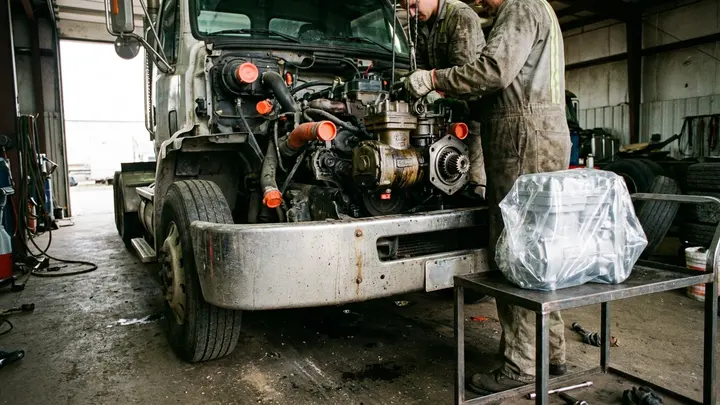
Air Brake Compressor Replacement: A Step-by-Step Guide

A technician's walkthrough for deciding when to replace, and how to swap out a heavy-duty air brake compressor the right way.
Read guide

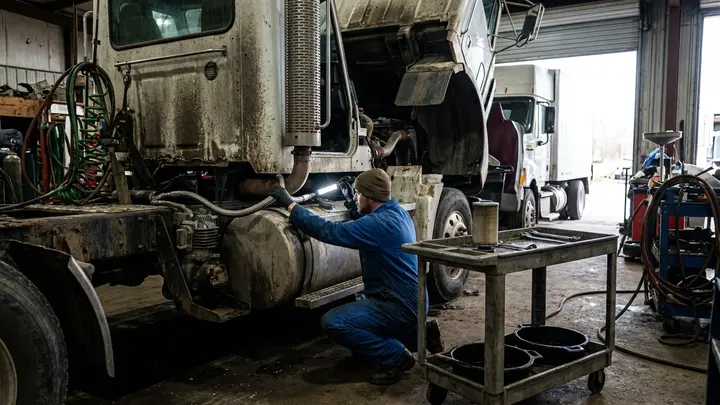
Air Brake Compressor Maintenance: A Preventive Service Guide

Most air brake compressor failures are earned through neglect — here is the drain, dryer, cooling, and inspection routine that keeps one running to its full life.
Read guide

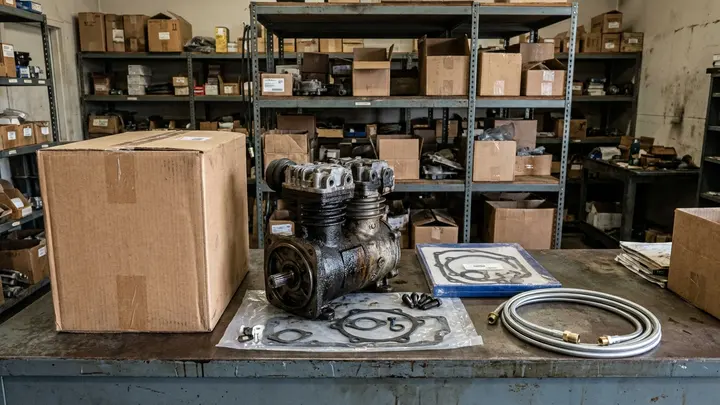
Air Brake Compressor Replacement Cost

A straight-talk breakdown of what it costs to replace a truck air brake compressor, what drives the price up or down, and how to avoid paying for the same job twice.
Read guide

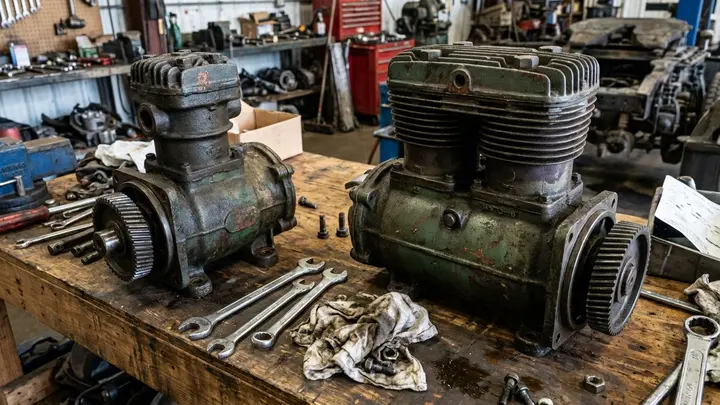
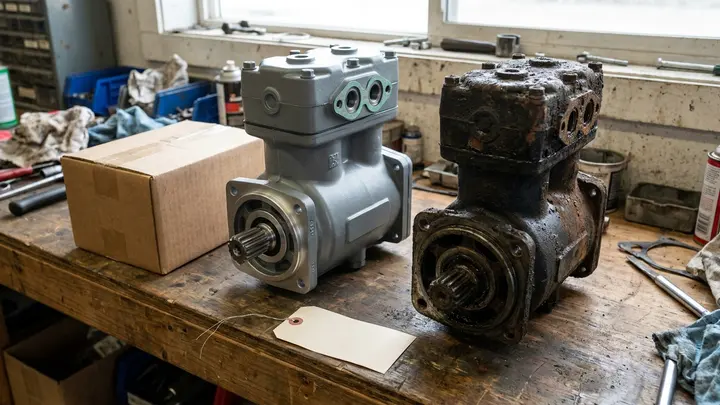
Single vs Twin-Cylinder Air Compressor: Which One Does Your Truck Need?

The difference between one piston and two is charging speed and duty cycle, not brake pressure — here is how to match the compressor to the vehicle.
Read guide

Air Compressor for a Truck: OE vs Aftermarket Buying Guide

A practical guide to choosing a truck air brake compressor — what separates OE-grade parts from cheap aftermarket, and how to buy on total cost, not sticker price.
Read guide

How to Adjust a Slack Adjuster on Air Brakes

A step-by-step field guide to measuring pushrod stroke and adjusting manual slack adjusters — and why you should never routinely adjust an automatic one.

Read guide

How to Cage a Brake Chamber

Caging a spring brake chamber mechanically compresses the internal power spring so a truck with no air can be released and moved safely.

Read guide

How to Change a Brake Chamber on a Truck or Trailer

A safe brake chamber swap comes down to caging the spring, bleeding off all air, disconnecting the lines and pushrod, bolting in the replacement, and setting stroke before you road-test.

Read guide

Air Brake Pre-Trip Inspection: The Complete Walk-Through

A proper air brake pre-trip inspection combines visual component checks with a five-part in-cab test that proves your leakage rate, low-air warning, spring brake pop-out, and compressor build time before you roll.

Read guide

DOT Brake Inspection: Out-of-Service Criteria

A quick technician's guide to what actually puts a commercial vehicle out of service during a DOT brake inspection.

Read guide

Air Dryer Cartridge Replacement: Interval, Symptoms, and How to Do It

A saturated desiccant cartridge quietly sends water and oil into every valve downstream — here is the interval, the warning signs, and the step-by-step change.

Read guide

Draining Air Brake Tanks: Why, How, and What the Drainage Tells You

Draining the air tanks is a two-minute job that protects every pneumatic component downstream of the compressor, and what comes out of the drain is one of the best free diagnostics on the truck.

Read guide

Air Brake Compressor Brands and How to Cross-Reference Them

Who actually builds heavy-duty air brake compressors, how OE numbering works, and what has to match before a cross-referenced replacement is safe to fit.

Read guide

How to Choose the Right Air Brake Compressor for Your Truck

A practical, spec-by-spec method for matching a replacement air brake compressor to your engine, duty cycle and air demand — without guessing.

Read guide

Brake Chamber Sizes Explained: Types 9 Through 36 and 30/30 Spring Chambers

A plain-English guide to what Type 9, 12, 16, 20, 24, 30 and 36 mean, how long-stroke and 30/30 spring chambers differ, and how to spec the right one.

Read guide

How to Replace a Relay Valve on a Truck or Trailer

A shop-floor procedure for swapping a relay valve without introducing leaks, timing problems or a brake balance complaint.

Read guide

How to Replace Truck Brake Shoes

A shop-floor walkthrough of replacing S-cam drum brake shoes on a truck or trailer — from caging the spring brakes to bedding in the new linings.

Read guide

Brake Adjustment Limits Chart: Pushrod Stroke by Chamber Type

The applied pushrod stroke limits for every common air brake chamber type, how to measure stroke correctly at 90-100 psi, and when an out-of-adjustment brake puts a truck out of service.

Read guide

How to Grease Slack Adjusters and S-Cam Bushings

A practical guide to lubricating automatic slack adjusters and S-cam bushings — correct grease, realistic intervals, and how a dry cam turns into brake drag and long push rod stroke.

Read guide

Air System Decontamination After a Compressor Failure

A practical shop procedure for cleaning oil and moisture out of a truck air brake system after a compressor failure: what to flush, what to replace, and how to verify the job held.

Read guide

Bendix, Wabco and Knorr-Bremse Air Compressors: Makes, Numbers and Cross-Referencing

A practical guide to the three dominant OE air compressor makes — how their part numbers are structured, and what has to match before a cross-referenced unit will actually bolt on.

Read guide

Rebuild or Replace an Air Brake Compressor

A bench-inspection framework for deciding whether a repair kit will actually fix your truck's air brake compressor — or just delay the same failure.

Read guide

Brake Chamber Identification: How to Read Type, Stroke and Port Markings

A practical guide to reading brake chamber markings — type number, spring brake pairs such as T30/30, long-stroke cues and mounting details — so the replacement you order actually fits.

Read guide

Bendix Air Brake Parts: Component Guide and Cross-Reference

What the common Bendix air brake components do, how to identify the one on your truck, and how OE-grade aftermarket equivalents cross-reference and fit.

Read guide

Wabco Air Brake Systems: Parts, Valves and OE-Grade Replacement

A technician's guide to Wabco (ZF) air brake hardware: what the main part families do, how to identify them, and what to check when you replace one.

Read guide

Knorr-Bremse Air Brakes: OE Systems, Components and Replacement Parts

A technician's reference to the Knorr-Bremse air brake components fitted to European trucks and buses: what each part does, how the circuits are arranged, and what to check before replacing anything.

Read guide

Meritor Slack Adjusters and Foundation Brakes: Identification, Setup and Service

A technician's reference for identifying, adjusting and replacing Meritor automatic slack adjusters and the S-cam foundation brakes they operate.

Read guide

Haldex Air Brake Parts: Components, Applications and Replacement

A technician's reference to Haldex air brake components — what they are, where they are fitted, and how to identify and replace them correctly.

Read guide

Air Compressor for Cummins Engines: Drive, Types and Replacement

How air brake compressors are driven, mounted and specified on Cummins engines — and how to identify the correct OE-grade replacement.

Read guide

Air Brake Systems by Truck Make: Freightliner, Volvo, Peterbilt, Kenworth, Mack and International

Every Class 8 truck sold in North America runs the same basic pneumatic architecture. The real differences are in the engine-driven compressor, the air treatment package and how the cab controls are laid out.

Read guide

Air Dryer Desiccant Cartridge Types: Standard vs Oil-Coalescing

A technician's guide to the two cartridge families used on truck air dryers, how to pick the right one for your duty cycle, and when to change it.

Read guide

Air Brake Antifreeze and Alcohol Evaporators

What air brake antifreeze actually does, how evaporators and injectors meter it, and when adding alcohol helps versus when it damages your air dryer.

Read guide

Air Compressor Intake Filter: Symptoms, Checks and Service

A restricted compressor intake is the most common reason a healthy air brake compressor starts pumping oil. Here is how the intake filter works, how a plugged one behaves, and how to inspect and service it.

Read guide

Air Brake Lubrication and Grease Guide

The right grease, the right fittings and the right technique keep S-cams turning free, slack adjusters adjusting, and brakes releasing the way they should.

Read guide

Winter Air Brake Prep Checklist

A pre-season inspection routine that keeps moisture, ice and cold-soaked components from putting a truck out of service in winter.

Read guide

How to Check Slack Adjusters the CDL Way

The hands-on method examiners and roadside inspectors use to judge brake adjustment — free play by hand, applied stroke by tape measure, and the limits that decide pass or fail.

Read guide

Slack Adjuster Tools: What You Need and How to Use Them

A short, honest list of the tools that make slack adjuster work fast and safe, and the ones that quietly ruin adjusters when used wrong.

Read guide

Truck Brake Drum Replacement: When, Why, and How

How to judge, measure, and replace a heavy-truck brake drum — discard diameter, cracks and heat spots, hub removal, axle matching, and wheel torque.

Read guide

Drum Brake Hardware Kit: What's Inside and How to Choose the Right One

A drum brake hardware kit renews the springs, rollers, bushings and clips that control how S-cam brake shoes move, and it belongs on the parts list every time you replace linings.

Read guide

Semi Truck Brake Drum Sizes: What Fits Where

A working guide to the drum sizes used on Class 6-8 trucks and trailers, how to read bolt patterns and balance weights, and how to identify a drum when the casting marks are gone.

Read guide

Air Compressor OE Cross-Reference by Engine Model

The fastest way to identify the correct air brake compressor is to read the OE number stamped on the unit, then cross-reference it against your engine platform and duty cycle.

Read guide

How to Choose the Correct Unloader Kit for Your Air Compressor

A practical selection guide: identifying the compressor you actually have, reading what is in the box, and deciding between an unloader kit and a full repair kit.

Read guide

How Much Does Air Compressor Replacement Cost on a Truck?

A technician's breakdown of what an air brake compressor job really costs — part, labor, the parts that ride along with it, and the downtime nobody quotes you.

Read guide

What Comes in an Air Compressor Repair Kit

A part-by-part look at what a truck air brake compressor repair kit actually contains, which pieces fail first, and how to tell whether a kit will cure your symptom or just waste a Saturday.

Read guide

How to Adjust an Air Brake Governor

A shop-floor procedure for measuring cut-in and cut-out pressure, setting the governor back into the standard window, and knowing when the governor should be replaced instead.

Read guide

Air Dryer Cross Reference by OE Number

A shop-floor method for turning an OE part number into the right air dryer, and for confirming the fit before the wrench comes out.

Read guide

How to Measure Brake Pushrod Stroke

The two field measurements — free stroke and applied stroke — that tell you whether a foundation brake is in adjustment, and the numbers that put a truck out of service.

Read guide

How to Read an Air Compressor Part Number

Find the number on the unit, tell a casting mark from a service part number, and turn it into the correct compressor or repair kit without guesswork.

Read guide

Air Compressor CFM and Displacement: A Truck Buying Guide

How to read a compressor's CFM or litres-per-minute rating, match it to line-haul, vocational or bus air demand, and avoid the undersized unit that never stops pumping.

Read guide

OEM vs Aftermarket Air Brake Parts: What Actually Differs

A technician's breakdown of where aftermarket air brake parts genuinely match OE, where they don't, and how to tell the difference before you buy.

Read guide

Truck Brake Repair Cost: What Heavy-Duty Brake Work Really Runs

A job-by-job breakdown of heavy-truck brake costs — parts, shop hours, and the downtime that usually outweighs both.

Read guide

Brake Chamber Cross-Reference by OE Number

An OE number gets you to the shelf, but the chamber has to match five physical specs — type, size, stroke, ports and mounting — before it will bolt on and brake correctly.

Read guide

How to Choose an Air Compressor Repair Kit vs a Full Kit

A technician's guide to picking a minor seal-and-gasket kit or a major overhaul kit for your truck's air brake compressor, based on symptom, mileage, and measured wear.

Read guide

How to Replace an Air Brake Governor

A shop-floor procedure for swapping the governor on a truck, bus or trailer tractor — depressurise, mark the lines, mount, set, and verify.

Read guide

Air Brake Preventive Maintenance Schedule

A working PM calendar for truck, trailer and bus air brake systems, from the daily tank drain to the annual teardown-level inspection.

Read guide
Driver knowledge (CDL)

Driver knowledge (CDL)

What every air-brake driver needs to know.
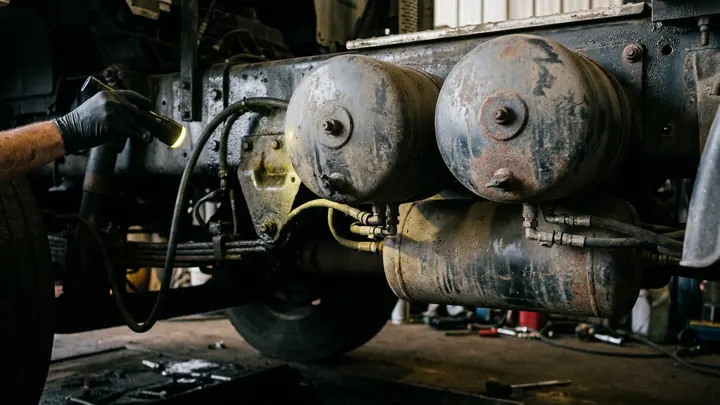
What Is a Dual Air Brake System?

A dual air brake system splits braking into two independent air circuits so that a failure in one still leaves you with working brakes on the other.

Read guide

Air Brake System Fully Charged PSI: What the Gauge Should Read

A healthy heavy-vehicle air brake system is fully charged at roughly 120 psi, with the governor cutting the compressor out somewhere between 120 and 135 psi.

Read guide

CDL Air Brake Test: The Seven-Step Pre-Trip Check

A driver-focused walkthrough of the seven-step air brake check the CDL exam requires, with the exact pressures and leakage limits you have to hit.

Read guide

Air Brake Endorsement: What It Really Is on Your CDL

In the US there is no standalone air brake endorsement - air brakes are handled by a removable restriction on your CDL, cleared by passing the air brake knowledge test and taking the skills test in an air-brake vehicle.

Read guide

The Air Brake Restriction on a CDL: What It Means and How to Remove It

In the United States, air brakes are governed by a restriction (code L) you remove by testing, not by a separate endorsement — and the rules are federal, not state-by-state.

Read guide

FMCSA Air Brake Regulations Every Driver and Tech Should Know

FMCSA rules set minimum standards for air-brake warning devices, permissible air-loss rates, pushrod stroke limits, and periodic inspection — the same items a DOT officer checks at roadside.

Read guide

The Seven-Step Air Brake Check, Step by Step

A technician's walkthrough of the seven-step air brake check every CDL driver must perform, with the psi figures that mark a pass or a fail at each step.

Read guide

ECE R13 Air Brake Regulations: What the EU Requires

A technician's guide to UN Regulation No. 13 — the type-approval rulebook behind every air brake system fitted to European trucks, buses and trailers.

Read guide

Air Brake Test at MOT and DVSA Inspection: What Gets Checked

A technician's walkthrough of how the air brake system is assessed at the UK annual test and at the roadside, and where vehicles usually lose marks.

Read guide

Downhill Braking Technique for Heavy Trucks

The safe way down a grade is gear first, engine brake second, service brakes last — used in short firm snubs, never dragged.

Read guide

Runaway Truck Ramps and Air Brake Failure: What Actually Happens and What to Do

A technician's guide to why air brakes lose effectiveness on a grade, how runaway truck ramps stop a vehicle, and why spring brakes are the system's built-in fail-safe.

Read guide

Canada Air Brake (Z) Endorsement: Test, Limits and Provincial Rules

A practical guide to Canada's provincial air brake endorsement: the letter codes by province, the pressure and leakage figures you must state, and the adjustment limits examiners measure.

Read guide

Australian Heavy Vehicle Brake Rules: What Inspectors Check

A practical guide to how Australia regulates heavy vehicle brakes — ADR construction standards, HVNL and NHVR in-service rules, what inspectors check, and the defects that ground a truck.

Read guide

FMVSS 121 Requirements: The US Air Brake Standard

A technician's plain-language walkthrough of what 49 CFR 571.121 demands from air-braked trucks, tractors, buses and trailers — and where Europe's rules diverge.

Read guide

Do You Need an Air Brake Endorsement Under 26,000 lb?

Below 26,001 lb there is usually no federal air brake credential to earn — but the weight math, your state's own rules, and what the truck is used for can all flip that answer.

Read guide

Genuine parts from the people who build them

This resource is published by VADEN Original, a manufacturer that has produced over one million air brake compressors. When a guide points you to a part, it points to the factory catalogue.

Browse compressors